
《以身为舟|采莲船和划龙船:楚地湿地文明的年节步法》
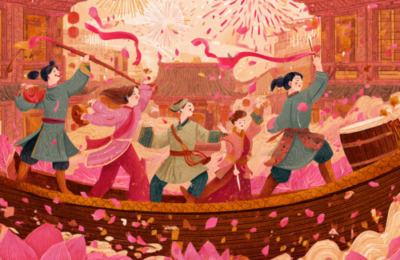
本篇从采莲船、彩船与旱地划龙船等年节船舞切入, 不以器物形制为主,而以“身体作为船”的底层算法为核心。 通过三个动作结构——方向先行、摆幅恒定与中心推进—— 解析湿地文明如何在河网退去之后, 仍以步法保存“水的逻辑”。 文章提出: 不同地区的年节船舞并非彼此模仿, 而是同源于一条共同的湿地身体记忆。 在年节中,人以身为舟, 让一条看不见的河再次被走出来。 This essay examines New Year “boat dances” across the wetland cultural belt— from lotus boats to decorated stage-boats and land-based dragon boats— focusing not on their shapes but on the shared bodily algorithm that animates them. Through three structural principles—direction leading before steps, constant lateral sway, and core-driven propulsion— the text reveals how wetland civilizations preserve the logic of water through movement long after the waterways have shifted or vanished. Rather than regional imitation, these boat dances emerge from a common embodied memory shaped by river networks. In the New Year season, the body becomes a boat, and an unseen river rises again under the dancers’ feet.