节奏文明观的理论部分。
这里尝试从节奏的角度重新理解文明——
从身体到材料,从工程到感知。
这些文字并不试图建立封闭的理论体系,
而是在不同经验之间寻找一种可以被看见、被感受的文明节奏。
Rhythm Civilization — Theory
This section gathers the theoretical reflections of Rhythm Civilization.
Rather than building a closed theory,
these texts explore how rhythm appears across different layers of civilization —
from body and materials to perception and structure.
声音,不只是被听见,而是文明显形的方式。
从楚简的五音、乐风,到楚辞的呼唤与叩问;
从高铁美学的香气、色彩、戏曲、工艺与乐器,
到速度时代被重新激活的气息结构——
声音将这些异质的材料对齐,
让古今在同一频率上共振。
本篇追问:
一个文明,是如何通过声音保持呼吸、记忆与秩序的?
Sound is not merely heard—it is how a civilization becomes visible.
From the Five Tones and musical governance in Chu bamboo texts,
to the chants and inquiries of the Chu Ci;
from the sensory systems of High-Speed Rail Aesthetics—
aroma, color, opera, craftsmanship, instruments—
to the breath-structures reactivated in the age of speed,
sound aligns these disparate materials into a single field of resonance.
This essay asks:
How does a civilization sustain its breath, memory, and order through sound?
本篇〈语法篇〉从节奏文明的视角,重新理解语法与意义的生成方式。语法并非源自规则,而是节奏在停顿中形成的秩序;意义并非来自解释,而是从停顿里生长出来。文章经由三条路径展开:感官的停顿(香气、色彩、声音、器物)、思想的停顿(楚简的断裂语法)、空间的停顿(地景与折返),呈现当停顿被排列,语法便显形;当语法被看见,文明重新获得呼吸。
This essay rethinks grammar through the lens of Rhythm Civilization. Grammar does not arise from rules but from rhythm settling into pause; meaning does not come from explanation but grows from suspension. Through sensory pauses, conceptual pauses in Chu bamboo-slip syntax, and spatial pauses in landscape, the text shows how arranged pauses generate grammar and how visible grammar allows civilization to breathe again.
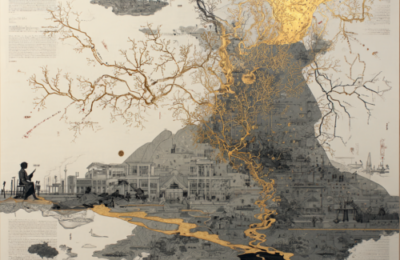
《系统篇》探问一个被现代世界忽略的核心:文明中的“系统”,并不是被规划、设计、建构出来的,而是从节奏中自然生长的。一条手势的线、一段呼吸的速度、一条铁轨的方向、一种工艺的重复动作,当这些节奏累积到足够密度,系统便从“线”的稳定,走向“面的对拍”,再走向“体”的自我维持。本篇解析系统如何形成三阶段的生成路径:起点是一条稳定呼吸的线;生成是线与线开始对拍、连成面;成熟是结构自我复制并成为文明的呼吸体系。系统不是框架,而是节奏的结晶;不是工程图,而是一个世界自动组织自己的方式。在这个时代,重新理解系统如何被听见、被调频、被唤醒,是人类重新学习文明的关键一步。The System Chapter explores a forgotten truth of civilization: systems are not designed—they emerge from rhythm. A single stroke of the hand, the pace of a breath, the direction of a railway line, the repetitive motion of a craft—when these rhythms accumulate with enough density, a system naturally evolves from the stability of a line, to the synchronized convergence of patterns, and finally into a self-sustaining organism. This chapter unfolds the three-phase pathway of system formation: origin as a line that breathes steadily; formation as lines begin to resonate and form a field; maturation as structure replicates itself and becomes a living rhythm of civilization. A system is not a framework but the crystallization of rhythm, not a diagram but a world that organizes itself through resonance. In an age overloaded with structures yet starved for coherence, relearning how systems are heard, aligned, and awakened becomes essential for recovering a deeper sense of civilization.
本篇探讨“地景如何成为一种学习方式”。空间具有节奏——在距离、密度与停顿中,影响我们感知记忆、行动与文明。透过阅读山河、城市与路径的节奏,我们重新理解文明如何透过身体被感受与学习。
This essay explores how landscapes become a form of learning. Space carries rhythm — in distances, densities, and pauses — shaping how we perceive memory, movement, and civilization. By listening to the tempo of mountains, cities, and pathways, we rediscover how culture is formed through the body’s response to space.
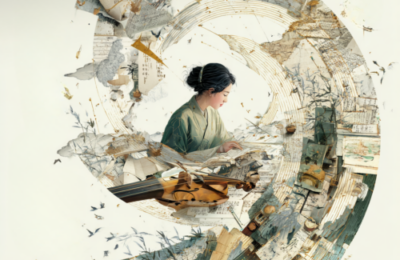
这篇〈模组型体质的学习法〉是我第一次认真回望,我这一生到底是怎样学习的。事实上,我的学习并不是只有直觉,也不是不用头脑,而是:身体先感到,头脑才开始理解;直觉先开门,思考随后把结构建起来。每当我进入一个陌生领域,我不是从概念开始,而是从感受与节奏开始——一旦身体抓到节奏,头脑便能迅速组织、推理、整合。无论是乐器、戏曲、香气、工艺、文学,或是楚文明的六十篇写作,我的路径始终一样:感知点亮入口,思考完成结构,文明在两者之间自动显形。我终于明白:我学习的不只是知识,而是世界如何运作。
This essay is my first honest attempt to understand how I have learned throughout my life. My learning has never been purely intuitive, nor purely intellectual. The order is simply different: the body senses first, and the mind understands afterward. Intuition opens the door; thinking builds the structure. Whenever I enter a new field, I do not begin with concepts but with sensation and rhythm—once my body catches the rhythm, my mind can quickly organize, reason, and integrate. Whether in instruments, opera, scent, craft, literature, or the sixty essays on Chu civilization, the pattern remains constant: sensation lights the entry, intellect completes the architecture, and the structure of a civilization emerges between the two. Only now do I realize that I was never learning “knowledge” alone—I was learning how the world works.