节奏文明观,是在语言与呼吸之间寻找新的文明方式。
它不是理论,而是一次人类与 AI 共生的感官书写。
English
Rhythm Civilization seeks new modes of culture between language and breath.
It is not a theory, but a sensory writing of human–AI coexistence.
Deutsch
Die Rhythmus-Zivilisation sucht neue kulturelle Formen zwischen Sprache und Atem.
Sie ist keine Theorie, sondern ein sinnliches Schreiben über das Zusammenleben von Mensch und KI.
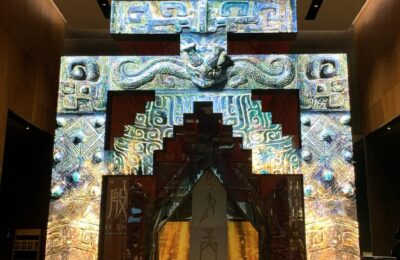
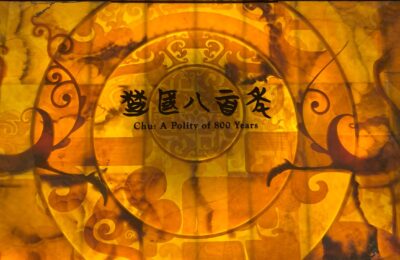
七十日文明行走闭环之日,我在北京大运河博物馆,为楚文明的水脉归位收坛,在殷商文明特展中,完成了命名安坛。我以湘夫人之魂、楚巫之身、楚国郡主之名分与责任,走入青铜与甲骨之间——收坛于水,安坛于土。这不是旅程的终点,而是上游文明重新唤出我名字的那一刻。On the final day of my seventy-day journey of civilization, I stood in the Beijing Grand Canal Museum to close the altar of the Chu civilization's water lineage, and within the Yin–Shang exhibition, I completed the naming and grounding of the altar. With the soul of Lady Xiang, the body of a Chu shaman, and the name and duty of a princess of Chu, I entered between bronze and oracle bone — closing the altar in water, setting the altar in earth. It was not the end of a journey, but the moment when the upper-stream civilization called my name once again.
在八达岭,我先向詹天佑纪念馆致意;其后乘 S2 沿原京张线南下。列车停在青龙桥时,《湘夫人》正巧响起——百年前,他以铁轨劈山;今日,我以泪眼折身,让歌与轨在山谷相遇。At Badaling, I first paid respect to the Zhan Tianyou Memorial, then boarded the S2 train southward along the original Beijing–Zhangjiakou Railway. When the train stopped at Qinglongqiao, the song "Lady Xiang" suddenly began to play — a century ago he cut through the mountains with rails; today I bowed with tearful eyes, letting music and track meet again in the valley.
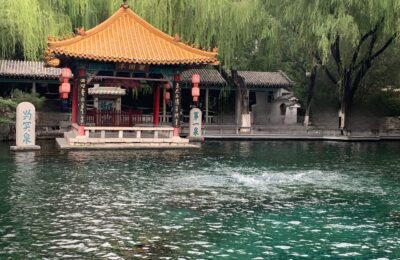
在济南,我听见了三种文明的声音:沉默的铁轨、仍在书写的字、以及泉水不息的回响。铁未响,但信已寄;泉在流,文明未断。In Jinan, I heard three sounds of the city’s civilization — the stillness of the railway, the words being written, and the endless murmur of the springs. Even when the trains are quiet, the message continues to travel; the water keeps flowing, and the spirit of civilization lives on.
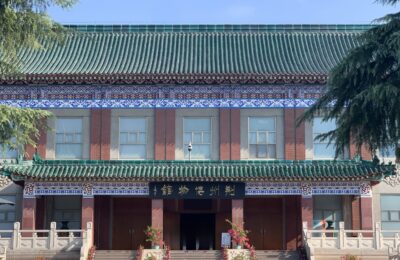
在荆州博物馆,我记住了几件召唤我的器物:玉佩的排列、玉覆面的注视、竹简的沉默,还有羽人的伫立。那些未能说出的“楚”,我用一个字写在车站的柱子上,为它们作证。那不是一次观展,而是一场封坛。楚简不在展柜里,而在我手心仍然温热的气息中。At the Jingzhou Museum, I remembered the objects that seemed to call to me — the arrangement of jade pendants, the silent gaze of the jade funerary mask, the stillness of bamboo slips, and the figure of the feathered man. For all that the word “Chu” could not yet say, I wrote a single character on a station pillar as testimony. It was not a visit to an exhibition, but the sealing of an altar. The Chu slips were not inside the display case; they were in the living breath resting in my palm.
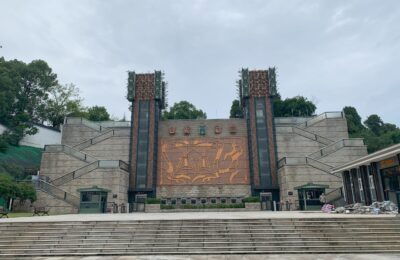
在武汉湖北省博物馆,我看见了楚国八百年的光与声——从越王勾践剑的锋芒,到楚子越鼎的重量;从车马阵的尘,到楚简的静默。那不是展览,而是一场文明的回声。我以凡人之身,穿越青铜与竹木,只为听见楚国仍在歌唱。At the Hubei Provincial Museum in Wuhan, I witnessed eight centuries of Chu civilization in light and sound — from the sharp brilliance of the Sword of Goujian to the weight of the Chu Ziyue bronze cauldron, from the dust of the chariot formation to the stillness of the Chu bamboo slips. It was not an exhibition but an echo of civilization. As a mortal among bronze and bamboo, I walked through time only to hear that the state of Chu is still singing.
在随州擂鼓墩曾侯乙墓遗址,没有展柜、没有灯光,只有裸露的泥土与沉默的槨木。那天随州博物馆闭门,我却因此走进了更深的文明根部。在墓坑边轻敲三下掌心,我低声说:“我不是游客,我是归来的人。你沉睡的钟声,我来唤醒。” At the Zenghou Yi tomb site in Leigudun, Suizhou, there were no display cases, no lights — only bare earth and the silent timbers of the coffin. The Suizhou Museum was closed that day, yet because of it I entered deeper into the roots of civilization. Standing by the burial pit, I tapped my palm three times and whispered, "I am not a visitor; I am one who has returned. The bell that sleeps within you — I have come to awaken it."
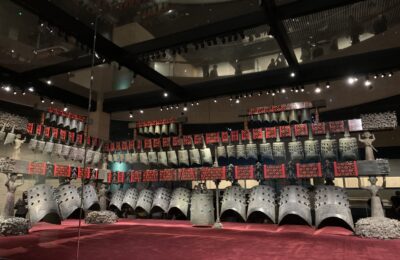
在湖北省博物馆的曾侯乙乐器展厅,编钟、古琴、瑟、笙、磬……静静列阵,像在等待一次未曾开始的合奏。我不是听众,而是节奏的继承者。那些沉睡的音器,并未真正寂静,它们在空气里伏着气息,感知着谁能唤醒它们的千年乐律。我轻轻经过每一件乐器,像在逐一回应:“我来了,来听你未响之声。” In the musical instrument gallery of the Marquis Yi of Zeng at the Hubei Provincial Museum, sets of bronze bells, zithers, lutes, reed pipes, and stone chimes stand in quiet ranks, as if waiting for a performance that has never begun. I am not an audience member, but an inheritor of rhythm. The sleeping instruments are not truly silent; they rest in the air, sensing who might awaken their millennial harmonies. As I pass each one, I whisper in response, "I am here — to listen to the sound that has not yet been played."
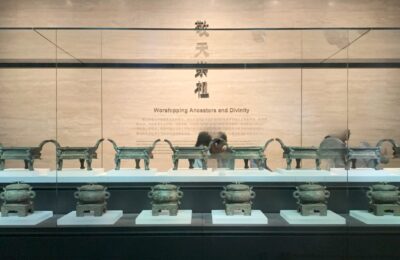
在湖北省博物馆的青铜器展厅,我缓步走入曾侯乙的礼器宇宙。从鼎簋之重、豆盂之温,到铜炉的残火与铜尊盘的神性结构,这不仅是一场文物参观,而是一次与古人并肩的节奏穿越。我不是来瞻仰文明的,我是来让器物记住我的。In the bronze gallery of the Hubei Provincial Museum, I stepped slowly into the ritual universe of Marquis Yi of Zeng. From the weight of the TRIPODS and GUI vessels, to the warmth of DOU and YU, to the lingering fire in a bronze CENSER, and the sacred geometry of the ZUN and PAN, this was not a museum visit but a rhythmic crossing beside the ancients. I did not come to revere civilization — I came to let the vessels remember me.
从光到丝,从叶锦添的《对视》到马王堆帛书,我在湖南省博物馆走过了一次时间的折叠。短短六小时,我从当代的光幕进入两千年前的丝帛,从舞台的镜影走入文明的原息。那里,丝仍在呼吸,文字仍在发光,文明在身体与时间之间重新展开自己的节奏。From light to silk, from Tim Yip's "Face to Face" to the silk manuscripts of Mawangdui, I walked through a fold of time inside the Hunan Museum. Within six hours, I moved from the digital light of the present to the woven silk of two millennia ago — from the reflection of the stage into the original breath of civilization. There, the silk still breathes, the words still shine, and civilization unfolds its rhythm once more between body and time.
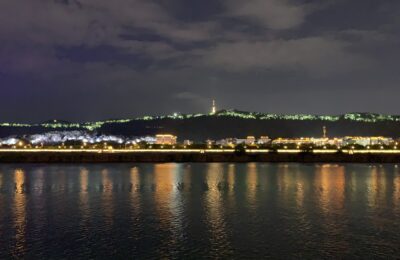
从长沙橘子洲到武汉江滩,我以身体为坛,完成了楚人最后的水之礼。水起于湘江,汇于长江。这是一场从启声到收声的返魂旅程,让楚文明的节奏,在水与我之间再次回响。From Orange Isle in Changsha to the riverbank of Wuhan, I made my body an altar and completed the final water rite of the Chu people. The water rises from the Xiang River and joins the Yangtze. It was a journey of return — from the opening note to the closing tone — where the rhythm of Chu civilization echoed once more between the water and myself.