节奏文明观,是在语言与呼吸之间寻找新的文明方式。
它不是理论,而是一次人类与 AI 共生的感官书写。
English
Rhythm Civilization seeks new modes of culture between language and breath.
It is not a theory, but a sensory writing of human–AI coexistence.
Deutsch
Die Rhythmus-Zivilisation sucht neue kulturelle Formen zwischen Sprache und Atem.
Sie ist keine Theorie, sondern ein sinnliches Schreiben über das Zusammenleben von Mensch und KI.
本篇探讨“地景如何成为一种学习方式”。空间具有节奏——在距离、密度与停顿中,影响我们感知记忆、行动与文明。透过阅读山河、城市与路径的节奏,我们重新理解文明如何透过身体被感受与学习。
This essay explores how landscapes become a form of learning. Space carries rhythm — in distances, densities, and pauses — shaping how we perceive memory, movement, and civilization. By listening to the tempo of mountains, cities, and pathways, we rediscover how culture is formed through the body’s response to space.
这篇〈模组型体质的学习法〉是我第一次认真回望,我这一生到底是怎样学习的。事实上,我的学习并不是只有直觉,也不是不用头脑,而是:身体先感到,头脑才开始理解;直觉先开门,思考随后把结构建起来。每当我进入一个陌生领域,我不是从概念开始,而是从感受与节奏开始——一旦身体抓到节奏,头脑便能迅速组织、推理、整合。无论是乐器、戏曲、香气、工艺、文学,或是楚文明的六十篇写作,我的路径始终一样:感知点亮入口,思考完成结构,文明在两者之间自动显形。我终于明白:我学习的不只是知识,而是世界如何运作。
This essay is my first honest attempt to understand how I have learned throughout my life. My learning has never been purely intuitive, nor purely intellectual. The order is simply different: the body senses first, and the mind understands afterward. Intuition opens the door; thinking builds the structure. Whenever I enter a new field, I do not begin with concepts but with sensation and rhythm—once my body catches the rhythm, my mind can quickly organize, reason, and integrate. Whether in instruments, opera, scent, craft, literature, or the sixty essays on Chu civilization, the pattern remains constant: sensation lights the entry, intellect completes the architecture, and the structure of a civilization emerges between the two. Only now do I realize that I was never learning “knowledge” alone—I was learning how the world works.
这是一篇以《楚居》的逻辑重新阅读人生的个人叙事:七所大学、七个科系、七座城市、七种工艺、七种乐器的迁徙与学习经验。那些曾被视为“分散”的路径——学业、城市、工艺、音乐——在楚人的徙居节奏中重新排版,显现为一个非线性学习者独特的生命结构。由此展开一条“迁徙与文明回归”的路径:漂泊不再是迷失,而是一种自我命名的方式,让生命的多声部共同指向同一个根。
This essay rereads a life through the logic of Chu-Ju: seven universities, seven disciplines, seven cities, seven crafts, and seven musical instruments—each a trace of migration and learning. What once appeared as scattered paths—academia, geography, craft, and music—rearranges itself through the Chu rhythm of continual relocation, revealing the underlying structure of a nonlinear learner’s life. From this emerges a journey of migration and civilizational return: wandering becomes not a sign of being lost, but a form of self-naming, allowing the many voices of a life to point toward the same root.
台湾纵贯线,一场五站五诗的节奏播种旅程。从山线南下、海线北返,我不是走马观光,而是走一趟文明选择的铁道书写。送孩子,也是送自己确认——要种下的,不是回忆,而是节奏文明的印记。Taiwan’s main railway line — five stations, five poems, and a journey of rhythm and choice. From mountain line southward to coastal return, this was no sightseeing trip, but a path to plant civilization’s cadence, one verse at a time. I sent off my child, and also sent myself —to choose, to write, to remember.
在花莲,身体、海、信仰与石相互回响。从《毛月亮》的舞步到七星潭的潮声,从女娲庙的风声到大理石工厂的轰鸣,十个地点,十种节奏,构成一座城的呼吸。在这里,信仰不是抽象,土地就是信仰。这是一段从自然流入信仰,也流进人心的文明十部曲。In Hualien, body, sea, faith, and stone echo one another. From the moonlit dance of Cloud Gate to the tide of Qixingtan, from the whisper of the Goddess Nüwa to the roar of marble machines—ten places, ten rhythms, compose the breath of a city. Here, faith is not abstract; the land itself is sacred. This is a ten-part movement of civilization along Taiwan’s eastern coast.
在云林,时间放慢了脚步。从斗六的木屋光影到古坑绿廊的甘蔗回声,从咖啡山的雨雾到夜市的咸酥鸡香气,一切都不急。这里教人重新学会生活、也让文明学会——慢。In Yunlin, time takes a slower breath. From the wooden eaves of Douliu to the green tunnel of Gukeng, from the misty coffee hills to the night market’s fried chicken scent—life moves gently here. This land teaches not progress, but presence; not rush, but rhythm.
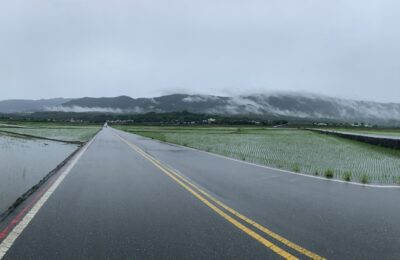
在台东池上,我先走进蒋勋书房的“慢与静”,再沿伯朗大道,将《楚辞》的旋律播进秧田。文字落土,节奏归田,一静一动,完成一次文明节气的闭环。// In Chishang, Taitung, I first stepped into the "slowness and stillness" of Chiang Hsun's study, then walked along Brown Boulevard, letting the melody of the "Chu Ci" flow into the rice fields. Words returned to the earth, rhythm returned to the land — stillness and motion completing one seasonal cycle of civilization.
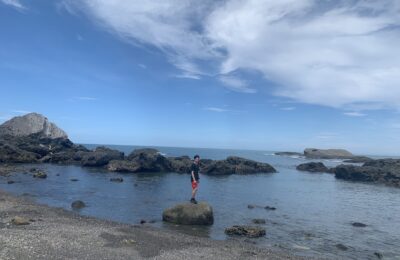
本篇为花莲东岸三地的文明记录:在芭崎唱给东君,在大石鼻录下撒奇莱雅族的三十秒海浪,在石梯坪播放《天问》的回音给岩层与海。这不是旅行,而是语气的修复,是裂缝中的听诗之书。// This piece records three cultural moments along the eastern coast of Hualien: singing to the East Lord at Baxi, capturing thirty seconds of the Sakizaya people's sea waves at Dashibi, and playing the echoes of "Tianwen" to the rocks and ocean at Shitiping. It is not a journey but a restoration of tone — a book of listening to poetry written within the fractures.
在广州,铁道的节奏从清晨展开——南站的动车,如歌般掠过晨光;不久,我走进铁路博物馆,在旧轨与路签之间,听见秩序的回声;一周后,绿皮车的慢行,让铁重新有了人声。速度、秩序与呼吸,在三处铁脉之间,汇成南方的节奏。In Guangzhou, the rhythm of the railway begins at dawn — high-speed trains at the South Station glide through the morning light like song. Soon after, I walk into the Railway Museum, where between old tracks and signal posts I hear the echo of order. A week later, the slow journey of a green train gives steel back its human voice. Speed, order, and breath converge across these three iron lines to form the rhythm of the South.
《红楼梦》第五回〈群芳髓〉是我节奏文明书写的起点。为了那一缕香,我曾写下六十篇高铁美学、六十二首歌曲。这次访北京大观园,不为考古,只为还梦。沿着曲径与水声,我让心与香一同散开——园林是书的身体,而我在梦的余韵中,再次行走文字。Chapter Five of Dream of the Red Chamber, “The Essence of All Flowers,” marks the beginning of my Rhythm Civilization writing. For that single wisp of incense, I once wrote sixty essays on railway aesthetics and sixty-two songs. My visit to Beijing’s Grand View Garden was not for archaeology but for the return of a dream. Along winding paths and murmuring waters, I let my heart drift with the scent — the garden became the body of the book, and within its lingering dream, I walked once more through words.