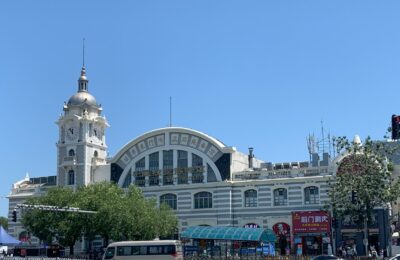
《蓝不是颜色,是火后的回声》——北京珐琅厂景泰蓝 • 点蓝体验

在北京珐琅厂,我亲手体验了一小时“点蓝”,让火与釉在铜胎上安放节奏。景泰蓝不是颜色,而是火焰里炼出的呼吸——有些火烧裂,有些火炼蓝。在蓝里,我为北京行做结尾,也为节奏错位找到归处。At the Beijing Enamel Factory, I spent an hour painting cloisonné, letting fire and glaze settle into rhythm on copper. Cloisonné is not just a color, but a breath forged in flames—some fires crack, some fires refine into blue. In this blue, I concluded my journey in Beijing and found a resting place for rhythm out of dissonance.

Weiterlesen《蓝不是颜色,是火后的回声》——北京珐琅厂景泰蓝 • 点蓝体验

《叮铃响起时,我终于能用自己的节奏呼吸》——香港的回声诗

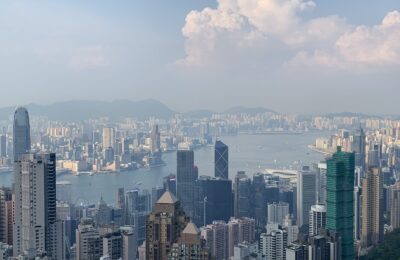
在香港,我第一次能用自己的节奏走路、说话、存在。叮叮车的铃声与沉默,让我听见这座城市的温柔与缝隙,太平山顶的灯火与亲人的饭桌,则给我一个静静呼吸的空间。这不是旅程,是一首写给文明节奏的回声诗。In Hong Kong, I finally walked and breathed in my own rhythm.The Ding Ding Tram carried not just sounds, but silence and softness—while atop Victoria Peak and around the dinner table,family gathered like a quiet poem.This was not a trip, but a resonant echo of rhythm and belonging.

Weiterlesen《叮铃响起时,我终于能用自己的节奏呼吸》——香港的回声诗

《复兴诗路南行:让高铁听楚辞》——苏州南至广州东站

我不是旅客,我是诗的携带者。从节奏错置的苏州南站出发,我在复兴号第二节车厢播放自己谱写的《离骚》《天问》《九歌》,不是给人听,而是让高铁听。途经黄山、景德镇、赣州,我将诗句贴进铁轨与站台的缝隙里,最终在广州东站与血脉相认。这不是一次旅行,是一场节奏文明的南行修复。I am not a traveler; I am a bearer of poems. Setting out from the rhythm-misaligned Suzhou South Station, I played my own settings of “Li Sao,” “Tian Wen,” and “Jiu Ge” in the second carriage of a Fuxing train— not for people to hear, but for the high-speed rail to listen. Passing Huangshan, Jingdezhen, and Ganzhou, I tucked lines of verse into the seams of rails and platforms, and at last, at Guangzhou East, I met my bloodline. This was not a journey; it was a southbound repair of Rhythm Civilization.

Weiterlesen《复兴诗路南行:让高铁听楚辞》——苏州南至广州东站

《节奏早于语言,我与铁轨共孪生出第一条诗行》——台铁北回线 · 树林脚平交道 · 花莲铁道文化园区

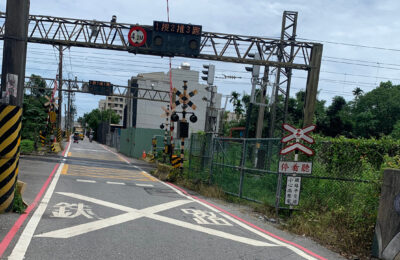
我与台铁北回线同年诞生,在花莲树林脚平交道旁长大。火车的铃声,是我尚未学会语言前的节奏母语。从童年的铁轨出发,走进花莲铁道文化园区,我记录下身体记得的节奏,也写下一段东部铁道与个人文明的孪生史。I was born the same year as TRA’s North-Link Line, and grew up beside the level crossing at the foot of Hualien’s woodlands. The train’s bell was my mother tongue of rhythm, learned before language itself. From the rails of childhood to the Hualien Railway Culture Park, I record the tempos my body remembers and write a twin history of the East Coast railway and my own civilization.

Weiterlesen《节奏早于语言,我与铁轨共孪生出第一条诗行》——台铁北回线 · 树林脚平交道 · 花莲铁道文化园区

《起点无轨,节奏已响》——广州詹天佑故居纪念馆

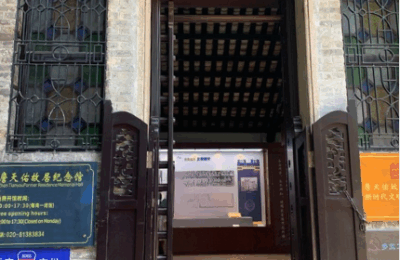
一场在广州詹天佑故居展开的节奏回声:从像前的低语,到铁轨、图纸、车钩与那面“北上筑路,扬名中外”的墙,我在院落与展厅之间,对话一位百年前的工程师,聆听中国铁路的第一颗心跳。A rhythmic echo unfolds at the former residence of Zhan Tianyou in Guangzhou: from a whisper before his likeness to rails, blueprints, couplers, and that wall proclaiming “Build northward, win renown at home and abroad.” Between courtyard and gallery, I converse with an engineer from a century ago and listen for the first heartbeat of China’s railways.

Weiterlesen《起点无轨,节奏已响》——广州詹天佑故居纪念馆

《青岛站 · 我不是来抵达,而是来听你喘息》

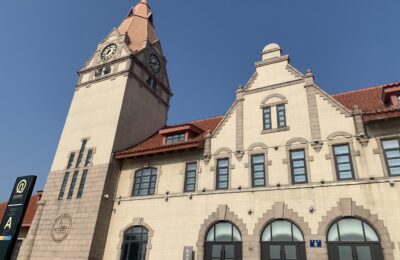
一场在青岛站展开的节奏文明吟诵:从博物馆的国殇之声,到站前、大厅、站台与车厢的低声回响,我在四方吟诵之间,聆听铁轨从百年汽笛到今日心跳的呼吸。A chant of Rhythm Civilization unfolds at Qingdao Station: from the museum’s lament for the nation to the hushed echoes at the forecourt, concourse, platform, and carriage. Amid fourfold recitation, I listen to the rails breathe—from the century-old steam whistle to today’s heartbeat.

Weiterlesen《青岛站 · 我不是来抵达,而是来听你喘息》

《铁轨响起外来节拍,中国以呼吸改写节奏》——胶济铁路青岛博物馆

一场在胶济铁路青岛博物馆展开的节奏文明追问:从德意志的铁轨到今日的回声,我在这些钢铁遗迹间,聆听文明由外来节拍到自我呼吸的改写。A Rhythm-Civilization inquiry unfolds at the Qingdao Museum of the Jiaozhou–Jinan Railway: from German-laid rails to today’s echoes, among these iron relics I listen as civilization rewrites itself—from imported tempos to its own breath.

Weiterlesen《铁轨响起外来节拍,中国以呼吸改写节奏》——胶济铁路青岛博物馆

《铁轨是直的,但文明永远在弯道超车》——北京中国铁道博物馆:正阳门馆 · 东郊馆

一场在北京中国铁道博物馆展开的节奏文明追问:从蒸汽机车到高铁模型,我在这些钢铁遗迹间,聆听文明呼吸的变奏轨迹。A Rhythm-Civilization inquiry unfolds at the China Railway Museum in Beijing: from steam locomotives to high-speed rail models, amid these iron relics I listen to the modulated track of a civilization’s breath.

Weiterlesen《铁轨是直的,但文明永远在弯道超车》——北京中国铁道博物馆:正阳门馆 · 东郊馆

《节奏文明观》|简言:让我们重新学会呼吸与律动

这不是一篇试图解释世界的文章,而是一种节奏的回归。《节奏文明观》不是理论宣言,也不是知识工具。它更像是一种温柔的提醒——在过快的时代里,是否还有一种语言,可以慢下来?一种写作,可以与身体同步?一种文明,还记得如何呼吸?从节拍器的“滴答”,到《九歌》的神名低吟,这篇文章走过物理、身体、技术与记忆的节奏路径。它不是要你相信什么,而是邀请你——在某个片刻,停下来,感受自己的步伐、语气与呼吸。如果这些节奏与你产生一点点回声,那便足够。愿这篇文字,不是答案,而是一次与你内在节拍相遇的小小试炼。This is not an essay that tries to explain the world, but a return to rhythm. Rhythm Civilization View is not a theoretical manifesto, nor a tool of knowledge. It is more like a gentle reminder — in an age that moves too fast, is there still a language that allows us to slow down? A way of writing that moves with the body? A civilization that still remembers how to breathe? From the ticking of a metronome to the murmured names of The Nine Songs, this text walks through the rhythmic paths of matter, body, technique, and memory. It does not ask you to believe in anything; instead, it invites you — at some moment — to pause, to sense your own pace, tone, and breath. If these rhythms spark even a faint resonance within you, that is enough. May this piece of writing not be an answer, but a small encounter with your own inner rhythm.

Weiterlesen《节奏文明观》|简言:让我们重新学会呼吸与律动

《诸神复活》| 楚辞 · 九歌 · 屈原

《諸神復活》是一場穿越時空的節奏召喚,以《楚辭·九歌》為原型,結合AI譜曲與人類感知,為十一位沉睡兩千年的神祇重塑聲音與節拍。這不僅是音樂計劃,更是節奏文明觀的一次實驗性實踐:在語言平面化與文化碎片化的時代,以節奏為線索,重建文明的深層律動。每一首歌對應一位神明的獨特節奏結構,從東皇太一的宇宙初響,到湘夫人的香霧回身,皆為文化之“呼吸”再生的回聲。當神祇沉默了兩千年,我們是否還能聽見他們的聲音?這篇博客,記錄的不只是創作過程,而是一場關於文明節拍能否被再次聽見的實驗與提問。“Resurrection of the Gods” is a rhythmic invocation across time and space, inspired by The Nine Songs from The Songs of Chu, integrating AI-generated compositions with human sensibility. It reawakens divine voices that have slumbered for two millennia, reshaping sound and rhythm. More than a musical project, it is an experiential practice of Rhythm Civilization: in an age flattened by language and fragmented by culture, it seeks to restore the deep pulse of civilization through rhythm and resonance. Each song corresponds to a deity, forming unique rhythmic structures — from the cosmic resonance of the Sun Emperor to the fragrant return of the Lady of the Xiang River — all echoing the rebirth of cultural “breath.” If the divine voices have been silent for two thousand years, can we still hear their echoes now? This blog records not merely a creative process, but an experiment and inquiry into whether the pulse of civilization can still be heard through rhythm itself.

Weiterlesen《诸神复活》| 楚辞 · 九歌 · 屈原