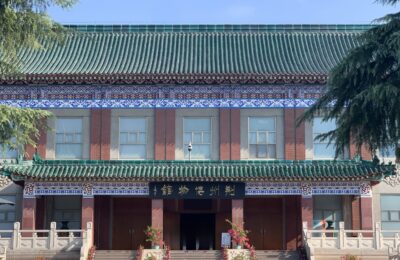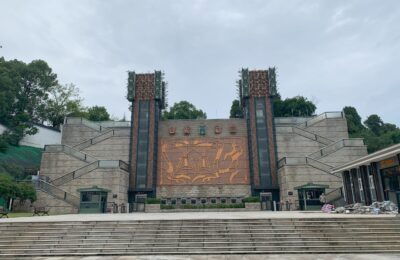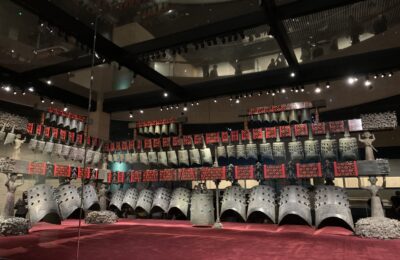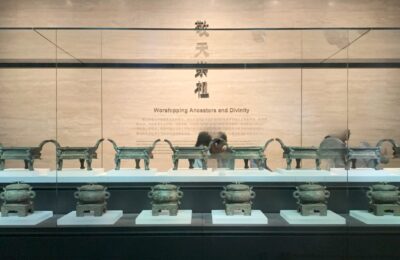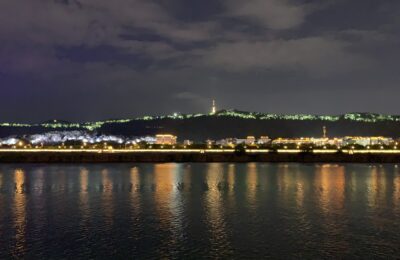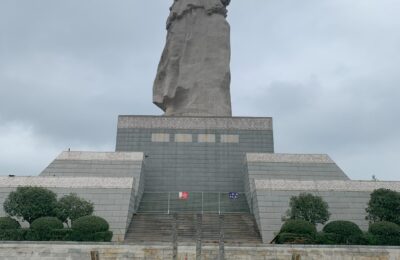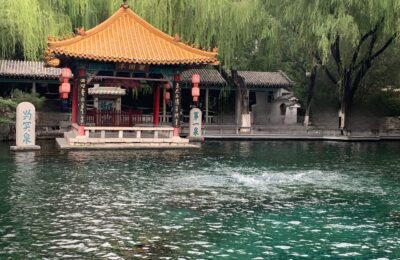
《乐动楚风》|青铜编钟 · 汉十高铁 · 武汉 – 随州

《乐动楚风》是一段穿越2400年的文化回响,也是一场古今中国的文明对话。文章以随州出土的曾侯乙编钟为起点,这套被誉为“金声玉振”的青铜礼乐重器,不仅是先秦音乐技术的巅峰,更是中华礼乐制度的声音化表达。它所铭刻的3755字乐律铭文,被联合国列入《世界记忆名录》,见证了中国古代节奏之精密。当汉十高铁疾驰而来,从武汉的长江涛声到随州的钟鸣,一场来自地下与地表、青铜与钢铁的双重奏悄然展开。高铁代表的是现代中国的速度与脉搏,编钟代表的是古代中国的节奏与秩序。两者在随州交汇,奏响的不仅是城市的过去与未来,更是中国文化在时空中的自省与奔赴。Resounding Chu is a cultural echo spanning 2,400 years—and a dialogue between ancient and modern China. The journey begins with the Zeng Hou Yi bianzhong unearthed in Suizhou: a bronze ritual-and-musical masterpiece famed as “golden sound and jade resonance.” It marks the pinnacle of pre-Qin musical technology and gives audible form to the rites-and-music order of Chinese civilization. Its 3,755-character inscription on pitch and scale—inscribed by UNESCO on the Memory of the World Register—attests to the astonishing precision of ancient Chinese rhythm. As the Wuhan–Shiyan high-speed rail hurtles into motion, from the Yangtze’s surge in Wuhan to the bell-tones of Suizhou, a quiet duet unfolds between earth and surface, bronze and steel. The railway embodies the velocity and pulse of contemporary China; the chime-bells, the rhythm and order of antiquity. Converging in Suizhou, they sound not only a city’s past and future, but China’s self-reflection—and its onward journey—across time and space.

Weiterlesen《乐动楚风》|青铜编钟 · 汉十高铁 · 武汉 – 随州

《燃香为印》|香篆 · 昌厦高铁· 福建永春

这篇文章以《红楼梦》中案几一角的袅袅香烟为灵感,深入探讨香篆之美与中国香文化的哲思与日常。在红楼世界里,香既寄情抒怀,亦暗伏命运伏笔—冷香丸、群芳髓皆蕴藉深意。文中延伸至闽南香都永春,描摹非遗制香技艺,并记述北宋“最香的男人”梅询如何以香修身、风雅自成。作者亦提出构想:将复兴号动车形制化为扁平木香具,并以篆文“车”字铸香篆模纹,寓速度于烟火之间。高铁与香篆,在这一设想中展开对话,思索东方时间感如何并行于“动”与“静”、“速”与“缓”之间—让现代之速与古意之香,同在一炉烟火中沉静回响。

Weiterlesen《燃香为印》|香篆 · 昌厦高铁· 福建永春

《寸锦寸金》|南京云锦 · 京沪高铁 · 南京

在这段穿越云影与丝线的旅途中,南京云锦与沪宁高铁展开一场跨越千年的哲思对话。从江宁织造府的针黹慢工,到高铁列车的时速飞驰,传统与现代并非对立,而是一体两面的织造之术。本文循着《红楼梦》的锦绣遗梦,走入匠人的世界,亦跃入钢轨下的未来。On this journey through drifting clouds and silken threads, Nanjing Yunjin brocade and the Shanghai–Nanjing high-speed rail engage in a dialogue of philosophy across a thousand years. From the slow, meticulous needlework of the Jiangning Weaving Bureau to the velocity of a bullet train, tradition and modernity are not opposites but two faces of the same art of weaving. Following the brocaded dreams of Dream of the Red Chamber, this piece steps into the artisans’ world—and leaps as well into the future that hums beneath the steel rails.

Weiterlesen《寸锦寸金》|南京云锦 · 京沪高铁 · 南京

《重剑无锋》|龙泉宝剑 · 沪昆高铁 + 金温铁路 · 浙江丽水 – 龙泉

龙泉宝剑,承千年匠艺之魂,以八十余道工序、三万层锻打,成就“削铁如泥”的锋芒与沉静并存的气质。从上海南行,经沪昆高铁至丽水,再入山镇龙泉,于炉火与水汽之间,见证一柄剑的诞生,也映照一颗心的修行。《剑起江湖》以诗意文字叙写中国剑文化、龙泉锻剑工法、金庸笔下的江湖意象,李白仗剑走天涯,在现代与古典之间,展开一场跨越时空的文化对话。动车飞驰,锤火不息;今日之剑,不为斗,而为诚。The Longquan sword carries the soul of a thousand-year craft: over eighty procedures, some thirty thousand layers of forging—achieving a temper that “slices iron like mud,” where keen edge and quiet spirit coexist. Traveling south from Shanghai on the Shanghai–Kunming high-speed rail to Lishui, then into the mountain town of Longquan, we witness—amid furnace flame and rising steam—the birth of a blade, and with it the tempering of a heart. Sword Rising to the Rivers and Lakes narrates, in poetic prose, China’s sword culture, Longquan’s methods of forge-welding, the chivalric world imagined by Jin Yong, and Li Bai striding the world with sword in hand—opening a dialogue across time between modern and classical. The EMU races on; the hammer and fire do not rest. Today’s sword is not for strife, but for sincerity.

Weiterlesen《重剑无锋》|龙泉宝剑 · 沪昆高铁 + 金温铁路 · 浙江丽水 – 龙泉

《水磨入梦》|  昆曲 · 苏杭城际 · 苏州

《水磨入夢》是一場崑曲與高鐵的文化對話,一次穿越江南水鄉的詩意旅程。當蘇杭城際高鐵飛馳而過,水磨腔緩緩響起,如舊夢回聲,在車窗之外與現代速度共鳴。蘇州的地理孕育了崑曲的婉轉聲腔,也承載了中國人對美、理想與自我追問的千年之夢。這不是一幅畫,而是一條仍在吟唱的時間之路。Water-Polished into a Dream is a cultural dialogue between Kunqu opera and high-speed rail—a poetic journey through the water towns of Jiangnan. As the Suzhou–Hangzhou intercity line races past, the soft, “water-polished” timbre of Kunqu rises, like the echo of an old dream, resonating with modern velocity beyond the window. Suzhou’s geography nurtured Kunqu’s winding melodies and has borne, for a thousand years, the Chinese pursuit of beauty, ideal, and self-inquiry. This is not a painting, but a road of time that is still singing.

Weiterlesen《水磨入梦》|  昆曲 · 苏杭城际 · 苏州

《梨园长路》|京剧  · 京港高铁 · 安庆 – 北京

《梨园长路》是一篇穿越时空的文化随笔,沿着京港高铁自安徽安庆至北京的轨迹,回望京剧从徽班进京到登上世界舞台的百年征途。文章以诗意语言描绘唱腔与地理的联结、传统与现代的共鸣。梅兰芳以身化腔,成为一人承城的文化灯塔;而今日高铁,则像一曲流动的唱段,将千里梨园路压缩于瞬息。戏班早行,风声未绝,唱腔犹在。这不仅是京剧的回声,更是中华文化在速度时代中的一次温柔而坚定的延续。The Long Road of the Pear Garden is a cultural essay that travels across time and space, tracing the Beijing–Hong Kong high-speed rail from Anqing, Anhui to Beijing, and looking back on Peking Opera’s century-long journey—from Anhui troupes entering the capital to its rise on the world stage. In poetic language, it maps the bond between vocal style and geography, the resonance between tradition and modernity. Mei Lanfang turned his very body into song, becoming a cultural lighthouse who bore a city upon his shoulders; today’s high-speed rail, like a flowing aria, compresses a thousand-li opera road into an instant. The troupe sets out at dawn, the wind not yet stilled, and the melody still in the air. This is not only the echo of Peking Opera, but a gentle, steadfast continuation of Chinese culture in an age of speed.

Weiterlesen《梨园长路》|京剧  · 京港高铁 · 安庆 – 北京

《匠音千里》|小提琴 · 京广高铁 · 驻马店西站 – 确山竹沟

在中國中原,有一處寧靜小鎮用雙手雕琢出走向世界的音色。《匠音千里》講述確山竹溝如何以手工小提琴工藝,經京廣高鐵運往世界各地,成為中國高鐵文化地圖上一段動人的詩篇。當匠心慢工與列車疾馳相遇,構成現代與傳統、速度與聲音之間的一場深度對話。In China’s Central Plains, a quiet town has carved by hand a sound that travels the world. A Thousand Miles on the Craftsman’s Tone tells how Zhugou in Queshan fashions violins by hand—and how, aboard the Beijing–Guangzhou high-speed rail, these instruments journey to stages across the globe, becoming a lyrical entry on China’s cultural railway map. Where painstaking craft meets a racing train, a deep dialogue unfolds between modern and traditional, speed and sound.

Weiterlesen《匠音千里》|小提琴 · 京广高铁 · 驻马店西站 – 确山竹沟

《丝路弓影》|锡伯弓箭 · 兰新高铁 – 精伊霍铁路:乌鲁木齐 – 伊宁 – 察布查尔县

在新疆察布查尔,一把锡伯角弓串起了千年边疆守望与现代铁路的交汇。《丝路弓影》讲述从手工制弓的四季节律,到非遗匠人伊春光的传承故事,再到兰新高铁与精伊霍铁路承载文化出圈的轨迹。这不仅是民族技艺的细腻回望,更是一段关于时间、信念与文化深度融合的动人旅程。In Xinyuan (Qapqal), Xinjiang, a Xibe horn bow threads together millennia of borderland watchfulness with the crossings of modern rail. Shadows of the Silk Road Bow traces the craft’s four-season rhythm of hand-making, the lineage carried forward by Intangible Heritage master Yi Chunguang, and the cultural pathways opened by the Lanzhou–Xinjiang HSR and the Jinghe–Yining–Khorgos Railway. This is not only a finely grained look back at an ethnic craft, but a moving journey of time, conviction, and the deep fusion of culture.

Weiterlesen《丝路弓影》|锡伯弓箭 · 兰新高铁 – 精伊霍铁路:乌鲁木齐 – 伊宁 – 察布查尔县

《滦河评韵》| 评剧 · 京唐城际 · 唐山

评剧,这门诞生于滦河岸边的北方唱调,从“莲花落”的地头乡音出发,借着成兆才之手成为国家剧种。唐山是她的摇篮,如今,她乘着京唐城际穿越时代的长廊,再次在人们心头唱响。这篇文章以诗意笔触串联起评剧的源流、唱腔、人物与城市,讲述一段跨越百年的文化回响。Pingju—a northern melody born on the banks of the Luan River—rose from the rustic lianhua-luo street ballads and, through Cheng Zhaocai’s hand, became a national opera form. Tangshan is its cradle; today, riding the Beijing–Tangshan intercity line, it travels the corridor of time to sing once more in people’s hearts. This essay threads together, in a lyrical register, Pingju’s origins, vocal style, key figures, and the city that nurtured it—telling a century-spanning cultural echo.

Weiterlesen《滦河评韵》| 评剧 · 京唐城际 · 唐山

《虎目暮光》|琥珀色 · 清宫琥珀鼻壶 · 沈白高铁 · 抚顺

在黄昏与黎明之间,有一种色彩缓缓坠落,介于光与暗之间,介于记忆与神话之间—那就是琥珀色。它是古人笔下虎死前凝结于瞳孔的暮光,是黄之末色,是树脂在时间长河中封存的微光,是泪、是香、亦是未尽的酒。《虎目暮光》带你踏上一场色彩的寻根之旅:从清宫鼻烟壶盈掌之间的微光,到东北抚顺林海雪原中高铁窗外斜落的夕照,我们穿行于诗意、历史与自然之间,倾听一种颜色的低语。本文融合神话传说、器物美学、文化记忆与现代速度,让“琥珀”不再只是一块化石,而是一种带着温度的凝望,一种跨越千年的沉静之美。在奔流不息的车轨之间,我们与过去重逢—就在那一抹虎目暮光之中。Between dusk and dawn there falls a hue that hangs between light and dark, between memory and myth—amber. It is the twilight the ancients said congealed in a tiger’s eye at the brink of death; the last shade of yellow; the faint glow of resin sealed by time—a tear, a scent, an unfinished wine. Tiger-Eye Dusk leads you on a quest for this color’s roots: from the palm-sized glimmer of Qing-court snuff bottles to the slanting sunset outside a high-speed train window over Fushun’s snow-draped forests of the Northeast. We move through poetry, history, and nature, listening for a color’s whisper. Blending legend, object aesthetics, cultural memory, and modern velocity, this essay lets “amber” become more than fossil—becoming a gaze with warmth, a still beauty that bridges a thousand years. Amid rails that run without end, we meet the past again—in that single wash of tiger-eyed twilight.

Weiterlesen《虎目暮光》|琥珀色 · 清宫琥珀鼻壶 · 沈白高铁 · 抚顺