《楚系顶流的“搬家清单”|三份人生清单:曹家岗、五里牌、仰天湖楚简》
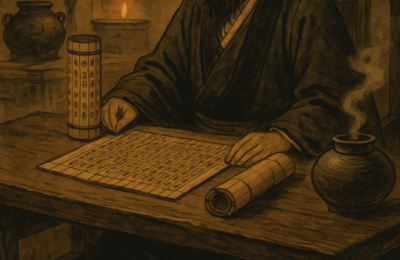
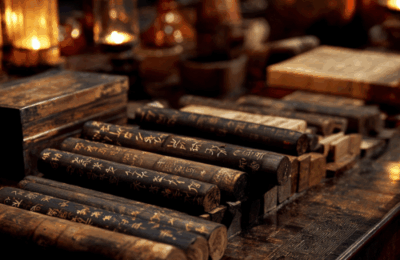
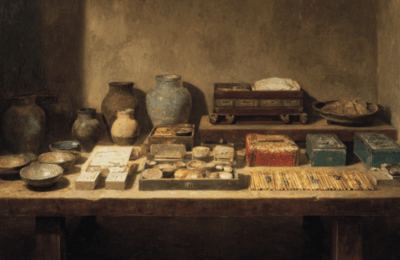
本文串联三种不同面向的楚国贵族生活: 曹家岗以极简的日常器物呈现生活的质地; 五里牌以礼器、宴饮组合与车马配置展现社交等级与家族责任;仰天湖则以丝绸衣物、香匣饰物与生活陈设勾勒楚式审美的深情。 这些竹简并非简单的随葬物记录,而是楚人关于“如何生活、如何与他人相处、如何呈现自己”的世界观档案。三份清单合在一起,构成一幅细腻完整的楚式生活地图。This article brings together three different dimensions of aristocratic life in the Chu state. Caijiagang reveals the texture of everyday living through its minimalist daily utensils; Wulipai reflects social hierarchy and familial responsibility through ritual vessels, banquet sets, and chariot-related items; Yangtianhu presents the aesthetic depth of Chu culture through its silk garments, fragrance boxes, ornaments, and domestic furnishings. These bamboo-slip inventories are not simple burial lists, but worldview documents that record how the people of Chu lived, interacted with others, and expressed themselves. Together, the three inventories form a subtle and coherent map of Chu-style life.