
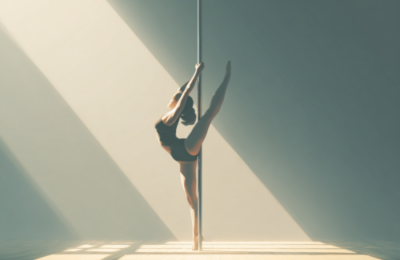
《Pole Dance 钢管舞|垂直的身体》
这篇文章以“垂直的身体”为线索,重新书写钢管舞的历史、身体结构与文化误读。钢管舞并非性感的代名词,而是一种对抗地心引力的身体技术:靠力量、皮肤、摩擦力、疼痛与上升组成的训练体系。从杂技到工地,从夜店到竞技场,它的身体方向始终只有一个——向上。文章将起源、身体算法、社会争议与上升意义整合成一条“离开地面”的文明叙述,展示身体如何在半空中重新找到自己的方向。 This essay explores pole dance through the lens of a “vertical body” — a body that chooses ascent over movement on the ground. Far from being a symbol of eroticism, pole dance is a discipline built on strength, friction, skin, pain, and elevation. Its history stretches from acrobatic pole climbing to construction sites, from nightclubs to professional sport, yet its direction has remained constant: upward. Integrating origin, bodily mechanics, cultural misunderstandings, and the meaning of ascent, the essay repositions pole dance as a practice in which the body rewrites itself the moment it leaves the ground.