
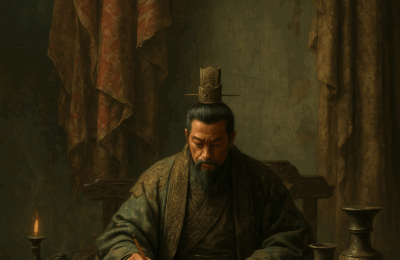
《上博四:〈昭王与龔之脽〉〈昭王毀室〉|制度的呼吸》
《上博简:昭王与龔之脽 & 昭王毀室|楚昭王在制度与人情间的平衡术》是一篇基于上博楚简两篇文本的历史-管理学双重解读。文章从楚昭王两次看似“违规”的决策——赐袍与毁室——出发,揭示他如何在“常古”(制度原则)与“权变”(人情变通)之间找到动态平衡。文中通过竹简原文的精确引用,展示昭王先以“使邦人皆见之”公开化恩赏,再以“既落焉从尃”在礼与孝冲突中重排优先级;他既不僵化守制,也不逾矩徇情,而是以理性温度守护楚国的制度根魂。本文旨在为当代治理与企业管理提供启示:真正的领导力,不在于死守规则或恣意破例,而在于理解规则背后的精神,在原则中保留温度,在秩序中容纳人心。Shanghai Museum Chu Slips: “King Zhao and Gong Zhui” & “King Zhao Destroys the Chamber — Balancing Law and Human Feeling in Chu Governance” re-examines two bamboo-slip records of King Zhao of Chu to reveal a leadership philosophy of balance between institutional integrity (chang gu, “the constant ancients”) and flexible adaptation (quan bian, responsive change). From the “Robe Episode,” in which the king turns a potential lapse in protocol into a public affirmation of moral order (“so that all the people may see it”), to the “Destroyed Chamber” judgment that reconciles ritual form with filial duty (“perform the completion rite, then dismantle”), King Zhao embodies a rational warmth that preserves the core of law while humanizing its application. The essay argues that sustainable leadership—ancient or modern—requires knowing the hierarchy of rules, keeping transparency in exceptions, and protecting the moral foundations that give any system its enduring life.