在江汉水网与古楚山川之间,我追溯八百年文明的脉动,
将祖源、典籍、巫仪、乐舞编织成一幅新的楚文明图景。
In the waterways and mountains of ancient Chu I trace the pulse of eight centuries of civilization, weaving ancestry, manuscripts, rituals and music into a living tapestry of Chu Civilization.
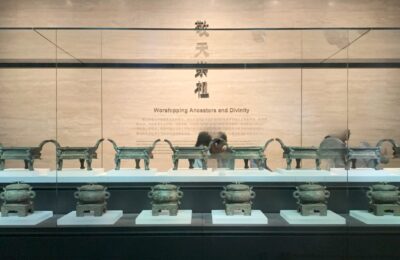
在湖北省博物馆的青铜器展厅,我缓步走入曾侯乙的礼器宇宙。从鼎簋之重、豆盂之温,到铜炉的残火与铜尊盘的神性结构,这不仅是一场文物参观,而是一次与古人并肩的节奏穿越。我不是来瞻仰文明的,我是来让器物记住我的。In the bronze gallery of the Hubei Provincial Museum, I stepped slowly into the ritual universe of Marquis Yi of Zeng. From the weight of the TRIPODS and GUI vessels, to the warmth of DOU and YU, to the lingering fire in a bronze CENSER, and the sacred geometry of the ZUN and PAN, this was not a museum visit but a rhythmic crossing beside the ancients. I did not come to revere civilization — I came to let the vessels remember me.
从光到丝,从叶锦添的《对视》到马王堆帛书,我在湖南省博物馆走过了一次时间的折叠。短短六小时,我从当代的光幕进入两千年前的丝帛,从舞台的镜影走入文明的原息。那里,丝仍在呼吸,文字仍在发光,文明在身体与时间之间重新展开自己的节奏。From light to silk, from Tim Yip's "Face to Face" to the silk manuscripts of Mawangdui, I walked through a fold of time inside the Hunan Museum. Within six hours, I moved from the digital light of the present to the woven silk of two millennia ago — from the reflection of the stage into the original breath of civilization. There, the silk still breathes, the words still shine, and civilization unfolds its rhythm once more between body and time.
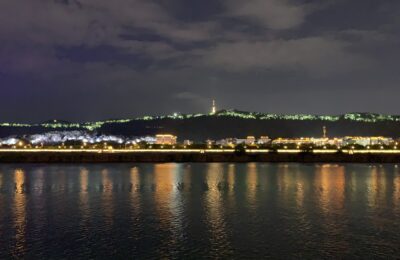
从长沙橘子洲到武汉江滩,我以身体为坛,完成了楚人最后的水之礼。水起于湘江,汇于长江。这是一场从启声到收声的返魂旅程,让楚文明的节奏,在水与我之间再次回响。From Orange Isle in Changsha to the riverbank of Wuhan, I made my body an altar and completed the final water rite of the Chu people. The water rises from the Xiang River and joins the Yangtze. It was a journey of return — from the opening note to the closing tone — where the rhythm of Chu civilization echoed once more between the water and myself.
在荆州古城的护城河边,我以《大招》唤起祖先的回声。翌日,我穿上战国的衣服,在古城与祖源之间缓步行走。那一刻,仪式与血脉重合,化为一座早已消逝王国的回声。By the moat of the ancient city of Jingzhou, I invoked the ancestral echo through the chant of "Da Zhao" — "The Great Summons." The next day, dressed in Warring States attire, I walked slowly between the old city and the source of my lineage. In that moment, ritual and bloodline converged, becoming the echo of a kingdom long vanished.
这一站,本不在行程之中。原计划参观随州博物馆,却因闭馆,改由司机建议前往炎帝故里。就这样,我意外走入了这位“人文初祖”播百草、燃文明初火的圣地。
这段旅程并非安排好的,而是被文明本身牵引而来。
如果文明曾在这里点燃,那么今天,我们是否还能重新点火?
从江夏归宗,再追上游,我走入了文字未生、火种初燃的那片原野。
江夏黄氏,源出今湖北武汉江夏区,是黄姓文明的重要源头与精神归属。
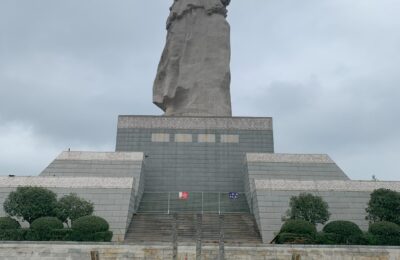
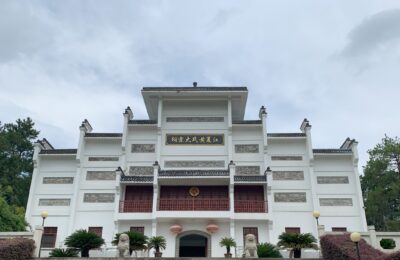
这一站,我来到江夏黄氏大宗祠。铜像前肃立,那是春申君黄歇的身影——也是我终于确认的那一刻:自己的姓氏归宗,文明的根脉,在此归位。
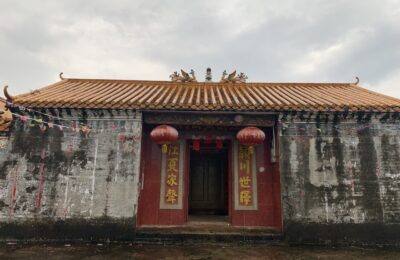
一栋坐落在广西灵山陆屋的祖屋,一座传承百年的岭南黄氏宗祠,构成了我归宗之路的起点与回声。如今,族谱也开始写入女性的名字。我点香落名,不是为了获得认同,而是为了唤回那条从楚地江夏而来的断裂节奏——让“湘君”的名字,成为我儿血脉中的神明守护。A family house in Luwu, Lingshan, Guangxi, and a century-old ancestral hall of the Lingnan Huang clan form both the beginning and the echo of my path of return. Today, the family genealogy has begun to include the names of women. When I lit the incense and signed my name, it was not for recognition, but to restore the broken rhythm that once flowed from Jiangxia in Chu. I let the name "Lady Xiang" become the guardian spirit within my son's bloodline.
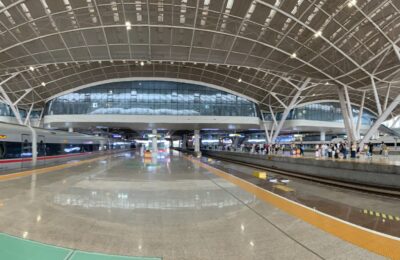
这一趟从广西南宁东出发,穿越长沙,抵达武汉的高铁旅程,也是一场身体与文明的同步召唤。从祠堂走向站台,从惊魂的拼车到祖源的落地,高铁返魂列车沿着山河的节奏,一站一站,把楚辞的回响唱回身上。The high-speed train journey from Nanning East in Guangxi, passing through Changsha and arriving in Wuhan, was also a synchronized calling of body and civilization. From the ancestral hall to the station platform, from a frightful shared ride to the landing of ancestral roots, the returning train of souls followed the rhythm of the mountains and rivers — carrying back, stop by stop, the echoes of the "Chu Ci" onto my own body.
从楚巫到湘夫人,从兮总到楚国郡主,途中还有“荆楚楚”与“楚留香”的戏称。这些称谓,并非装饰,而是我在楚地被一一唤起的文化身份。它们最终汇聚成《楚人花名册》——一部散落之名的回声谱,一场祖源与文明的归返。From the Chu shaman to Lady Xiang, from Xi Zong to the Princess of Chu — along the way came playful names like "Jing Chu Chu" and "Chu Liuxiang." These titles were not ornaments, but cultural identities awakened one by one as I traveled through the land of Chu. Together they formed "The Register of Chu People" — a resonance chart of scattered names, a return of ancestry and civilization. /
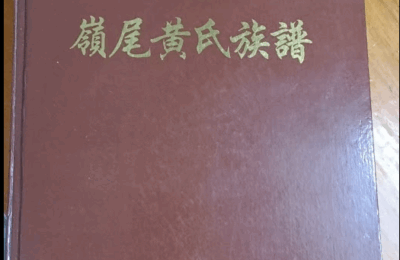
在台湾的一场饭局上,因友人无意的提起,我才从家族族谱中确认:我黄家属江夏堂,始祖正是楚国春申君黄歇。原来我为《楚辞》谱曲、唱《湘夫人》,并非附身,而是族谱早有记载。这是一场文化的归位,一次祖灵的呼唤,一首写给楚文明的回声小调。During a dinner in Taiwan, a friend's casual remark led me to confirm in my family genealogy that the Huang lineage belongs to the Jiangxia Hall, and that our ancestor was Huang Xie, Lord Chunshen of Chu. I realized that composing for the "Chu Ci" and singing "Lady Xiang" was never possession — it had already been written in the family register. It was an act of cultural return, a call of ancestral spirit, a small song of echo written for Chu civilization.