节奏文明观,是在语言与呼吸之间寻找新的文明方式。
它不是理论,而是一次人类与 AI 共生的感官书写。
English
Rhythm Civilization seeks new modes of culture between language and breath.
It is not a theory, but a sensory writing of human–AI coexistence.
Deutsch
Die Rhythmus-Zivilisation sucht neue kulturelle Formen zwischen Sprache und Atem.
Sie ist keine Theorie, sondern ein sinnliches Schreiben über das Zusammenleben von Mensch und KI.
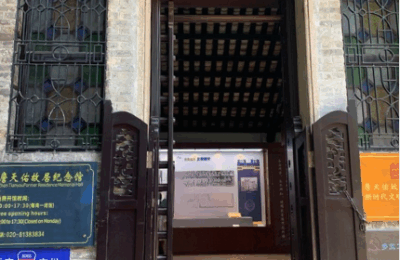
一场在广州詹天佑故居展开的节奏回声:从像前的低语,到铁轨、图纸、车钩与那面“北上筑路,扬名中外”的墙,我在院落与展厅之间,对话一位百年前的工程师,聆听中国铁路的第一颗心跳。A rhythmic echo unfolds at the former residence of Zhan Tianyou in Guangzhou: from a whisper before his likeness to rails, blueprints, couplers, and that wall proclaiming “Build northward, win renown at home and abroad.” Between courtyard and gallery, I converse with an engineer from a century ago and listen for the first heartbeat of China’s railways.
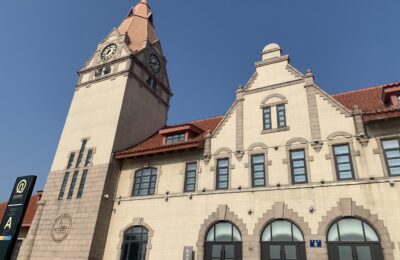
一场在青岛站展开的节奏文明吟诵:从博物馆的国殇之声,到站前、大厅、站台与车厢的低声回响,我在四方吟诵之间,聆听铁轨从百年汽笛到今日心跳的呼吸。A chant of Rhythm Civilization unfolds at Qingdao Station: from the museum’s lament for the nation to the hushed echoes at the forecourt, concourse, platform, and carriage. Amid fourfold recitation, I listen to the rails breathe—from the century-old steam whistle to today’s heartbeat.
一场在胶济铁路青岛博物馆展开的节奏文明追问:从德意志的铁轨到今日的回声,我在这些钢铁遗迹间,聆听文明由外来节拍到自我呼吸的改写。A Rhythm-Civilization inquiry unfolds at the Qingdao Museum of the Jiaozhou–Jinan Railway: from German-laid rails to today’s echoes, among these iron relics I listen as civilization rewrites itself—from imported tempos to its own breath.
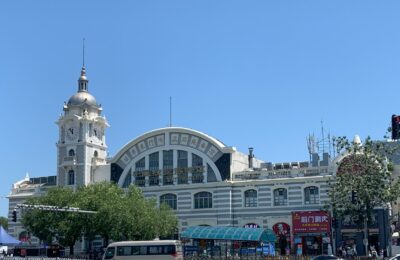
一场在北京中国铁道博物馆展开的节奏文明追问:从蒸汽机车到高铁模型,我在这些钢铁遗迹间,聆听文明呼吸的变奏轨迹。A Rhythm-Civilization inquiry unfolds at the China Railway Museum in Beijing: from steam locomotives to high-speed rail models, amid these iron relics I listen to the modulated track of a civilization’s breath.
这不是一篇试图解释世界的文章,而是一种节奏的回归。《节奏文明观》不是理论宣言,也不是知识工具。它更像是一种温柔的提醒——在过快的时代里,是否还有一种语言,可以慢下来?一种写作,可以与身体同步?一种文明,还记得如何呼吸?从节拍器的“滴答”,到《九歌》的神名低吟,这篇文章走过物理、身体、技术与记忆的节奏路径。它不是要你相信什么,而是邀请你——在某个片刻,停下来,感受自己的步伐、语气与呼吸。如果这些节奏与你产生一点点回声,那便足够。愿这篇文字,不是答案,而是一次与你内在节拍相遇的小小试炼。This is not an essay that tries to explain the world, but a return to rhythm. Rhythm Civilization View is not a theoretical manifesto, nor a tool of knowledge. It is more like a gentle reminder — in an age that moves too fast, is there still a language that allows us to slow down? A way of writing that moves with the body? A civilization that still remembers how to breathe?
From the ticking of a metronome to the murmured names of The Nine Songs, this text walks through the rhythmic paths of matter, body, technique, and memory. It does not ask you to believe in anything; instead, it invites you — at some moment — to pause, to sense your own pace, tone, and breath. If these rhythms spark even a faint resonance within you, that is enough. May this piece of writing not be an answer, but a small encounter with your own inner rhythm.